
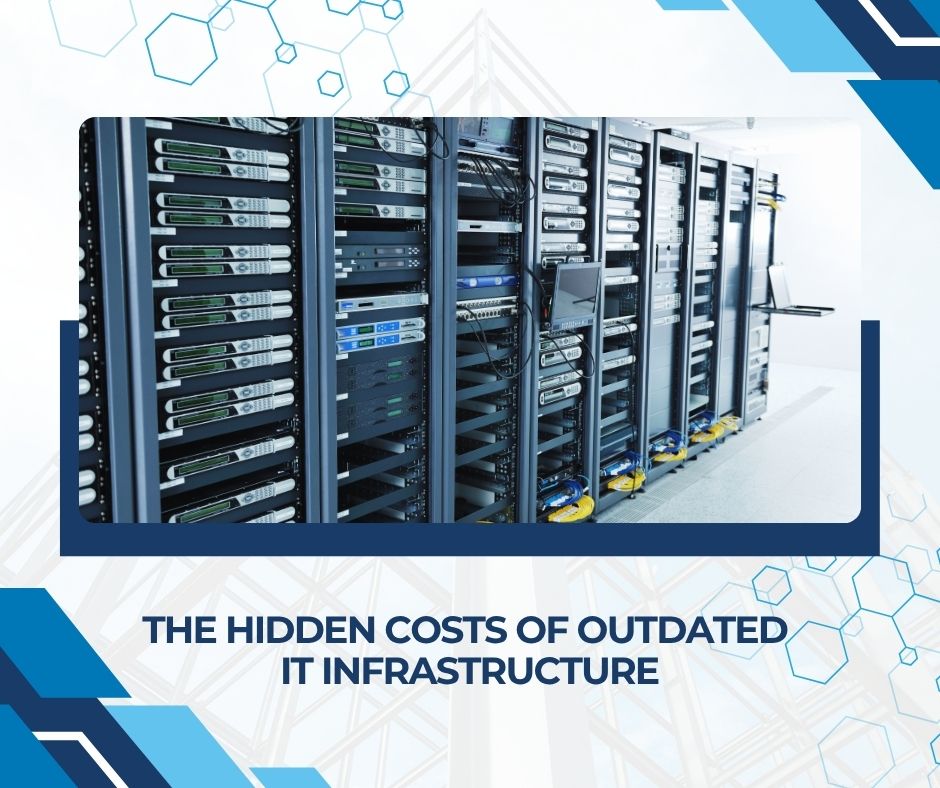
Many businesses continue to rely on aging IT systems because they appear to function well enough. However, outdated infrastructure often creates hidden costs that go unnoticed until they begin to impact performance, security, and overall operations. What seems like a cost-saving decision can quickly turn into a major liability.
Older hardware and software require more frequent maintenance and repairs. Replacement parts become harder to find, and IT teams spend more time troubleshooting recurring issues. These ongoing costs can exceed the investment required for modern upgrades.
Outdated systems tend to run slower, crash more often, and struggle to support modern applications. Employees may experience delays, interruptions, and system limitations that reduce overall productivity. Over time, these inefficiencies lead to lost revenue and decreased performance.
Legacy systems often lack current security updates and support. This makes them an easy target for cyberattacks, malware, and data breaches. Without proper protection, sensitive business and customer data is at greater risk, which can lead to financial loss and reputational damage.
As technology evolves, outdated infrastructure struggles to integrate with newer tools and platforms. This creates barriers when adopting cloud services, automation tools, or updated software. Businesses may miss out on opportunities for growth simply because their systems cannot keep up.
Aging infrastructure is more prone to failures and outages. Unexpected downtime can halt operations, disrupt customer service, and result in lost income. Frequent disruptions also place additional strain on IT teams trying to maintain stability.
Older hardware is often less energy-efficient than modern equipment. Increased power consumption, cooling requirements, and operational inefficiencies contribute to higher utility costs over time. These expenses add up quickly, especially in larger environments.
Outdated systems are not designed to scale with growing business needs. Expanding operations may require workarounds or costly temporary solutions. This lack of flexibility can slow down growth and limit the ability to adapt to changing market demands.
Businesses that rely on outdated infrastructure may struggle to keep up with competitors who invest in modern technology. Faster systems, better security, and improved efficiency give competitors a clear advantage in delivering products and services.
Outdated IT infrastructure carries hidden costs that go far beyond initial savings. Increased maintenance, reduced productivity, security risks, and limited scalability all contribute to long-term challenges. Investing in modern, reliable systems helps businesses reduce risk, improve efficiency, and stay competitive in an increasingly technology-driven world.